



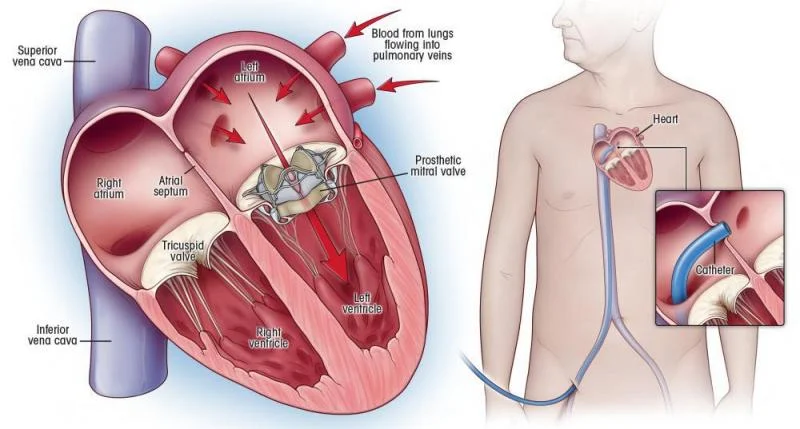
Mitral valve disorders can affect the heart's ability to pump blood efficiently, leading to symptoms such as shortness of breath, fatigue, and reduced physical activity. When the mitral valve does not function properly, it can place additional strain on the heart and impact overall cardiovascular health. Transcatheter Mitral Valve Repair (TMVR) in Pune at Dr Umesh Akkalkotkar's clinic offers an advanced minimally invasive treatment option for eligible patients with mitral valve disease.
Early diagnosis and timely treatment can help improve heart function, reduce symptoms, and enhance quality of life.
What is Transcatheter Mitral Valve Repair (TMVR)?
Transcatheter Mitral Valve Repair (TMVR) is a minimally invasive cardiac procedure designed to repair a damaged or leaking mitral valve without the need for traditional open-heart surgery. The procedure is performed using specialized catheter-based techniques that help improve valve function and blood flow through the heart.
TMVR has become an important treatment option for selected patients who may not be ideal candidates for conventional surgical procedures.
What is Mitral Valve Disease?
The mitral valve regulates blood flow between the left atrium and left ventricle of the heart. When the valve becomes damaged or fails to close properly, blood may leak backward, a condition known as mitral regurgitation.
Over time, untreated mitral valve disease can affect heart function and lead to serious cardiovascular complications.
Symptoms of Mitral Valve Disease
Common symptoms may include:
- Shortness of breath
- Fatigue
- Chest discomfort
- Irregular heartbeat
- Dizziness
- Reduced exercise tolerance
- Swelling in the legs or feet
- Difficulty performing daily activities
Patients experiencing these symptoms should seek prompt cardiac evaluation.
Benefits of TMVR
- Minimally Invasive Treatment: TMVR is performed through catheter-based techniques, avoiding major open-heart surgery in eligible patients.
- Improved Valve Function: The procedure helps restore proper mitral valve performance and improve blood circulation.
- Symptom Relief: Many patients experience improvement in breathing, energy levels, and physical activity capacity.
- Faster Recovery: Selected patients may benefit from shorter hospital stays and quicker recovery compared to traditional surgical approaches.
Who May Be a Candidate for TMVR?
TMVR may be considered for patients with:
- Mitral regurgitation
- Symptomatic mitral valve disease
- High surgical risk
- Structural mitral valve abnormalities
- Certain age-related cardiac conditions
- Heart failure associated with mitral valve dysfunction
A comprehensive cardiac evaluation is necessary to determine eligibility.
Why Choose Dr Umesh Akkalkotkar?
- Expertise in Structural Heart Interventions: Dr Umesh Akkalkotkar provides advanced evaluation and treatment for complex heart valve disorders and cardiovascular conditions.
- Personalized Treatment Planning: Each patient receives individualized recommendations based on their medical history, heart condition, and diagnostic findings.
- Comprehensive Cardiac Care: Patients benefit from advanced diagnostics, treatment planning, follow-up care, and long-term heart health management.
Maintaining Heart Health After TMVR
To support long-term cardiovascular wellness:
- Follow prescribed medications regularly
- Attend scheduled cardiac follow-up visits
- Maintain a heart-healthy lifestyle
- Stay physically active as recommended
- Control blood pressure, cholesterol, and diabetes
- Avoid tobacco use
Patients searching for advanced Transcatheter Mitral Valve Repair (TMVR) near me services should seek consultation with an experienced cardiologist for comprehensive heart valve evaluation.
Conclusion
If you are looking for expert Transcatheter Mitral Valve Repair (TMVR) in Pune, Dr Umesh Akkalkotkar offers advanced cardiac evaluation, personalized treatment planning, and comprehensive structural heart care. With a focus on improving valve function, reducing symptoms, and enhancing overall heart health, patients can receive specialized cardiovascular care tailored to their individual needs.
Frequently Asked Questions (FAQs)
TMVR is a minimally invasive procedure used to repair a damaged or leaking mitral valve using catheter-based techniques.
TMVR is primarily used to treat mitral regurgitation and certain other mitral valve disorders that affect blood flow through the heart.
You can consult Dr Umesh Akkalkotkar for advanced cardiac evaluation and treatment options for mitral valve disease.
Benefits may include improved valve function, symptom relief, a minimally invasive approach, and potentially faster recovery in eligible patients.