



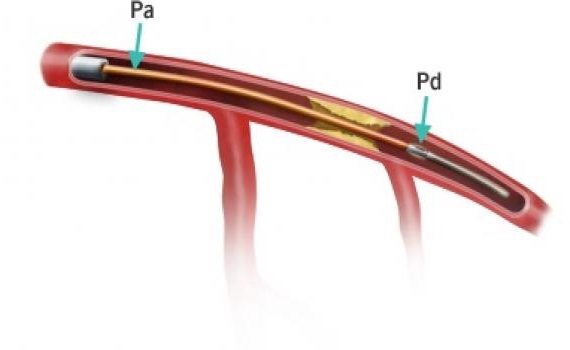
Accurate assessment of coronary artery blockages is essential for making informed treatment decisions in patients with heart disease. While angiography shows the anatomy of coronary arteries, advanced physiological testing can help determine whether a blockage is actually affecting blood flow to the heart muscle. Intracoronary Physiology FFR in Pune at Dr Umesh Akkalkotkar's clinic provides advanced cardiac evaluation techniques that help cardiologists make precise treatment decisions and improve patient outcomes.
Early and accurate diagnosis can play a crucial role in preventing complications and supporting long-term cardiovascular health.
What is Intracoronary Physiology FFR?
Fractional Flow Reserve (FFR) is an advanced diagnostic technique used during coronary angiography to measure blood flow and pressure within coronary arteries. It helps determine whether a coronary artery blockage is severe enough to reduce blood supply to the heart muscle and require intervention.
FFR provides valuable information that may not always be visible through imaging tests alone, helping cardiologists decide the most appropriate treatment strategy.
Why is FFR Important?
FFR helps cardiologists:
- Assess the functional significance of coronary artery blockages
- Determine whether a blockage is restricting blood flow
- Guide treatment decisions
- Avoid unnecessary procedures
- Optimize angioplasty planning
- Improve treatment accuracy
- Support evidence-based cardiac care
By measuring blood flow dynamics, FFR provides important information about the actual impact of arterial narrowing on heart function.
When is FFR Recommended?
Intracoronary Physiology FFR may be considered in patients with:
- Coronary artery disease
- Intermediate coronary artery blockages
- Chest pain symptoms
- Uncertain angiography findings
- Multiple coronary lesions
- Suspected reduced blood flow to the heart
- Complex cardiac conditions
A comprehensive cardiac evaluation helps determine when FFR assessment may be beneficial.
Benefits of Intracoronary Physiology FFR
- Accurate Functional Assessment: FFR helps determine whether a blockage is causing a significant reduction in blood flow.
- Improved Treatment Decisions: The procedure assists cardiologists in selecting the most appropriate management strategy.
- Personalized Cardiac Care: Treatment recommendations are based on both anatomical and physiological findings.
- Better Long-Term Outcomes: Accurate diagnosis and targeted treatment may help improve cardiovascular health and patient outcomes.
Why Choose Dr Umesh Akkalkotkar?
- Expertise in Advanced Cardiology: Dr Umesh Akkalkotkar provides comprehensive evaluation and management of complex cardiovascular conditions using modern diagnostic techniques.
- Personalized Treatment Planning: Each patient receives individualized care tailored to their specific heart condition and risk profile.
- Comprehensive Heart Health Support: Patients benefit from ongoing monitoring, preventive care, and long-term cardiovascular management.
Maintaining Heart Health
To support optimal cardiovascular wellness:
- Follow prescribed medications regularly
- Maintain a heart-healthy diet
- Engage in regular physical activity
- Control blood pressure, diabetes, and cholesterol
- Avoid smoking and tobacco products
- Attend routine cardiology follow-up appointments
Individuals searching for advanced Intracoronary Physiology FFR near me services should consider consultation with a cardiac specialist for comprehensive coronary artery assessment.
Conclusion
If you are looking for advanced Intracoronary Physiology FFR in Pune, Dr Umesh Akkalkotkar offers specialized cardiac evaluation, modern diagnostic technologies, and personalized cardiovascular care. With a focus on accurate diagnosis, evidence-based treatment planning, and long-term heart health, patients can receive expert care tailored to their individual cardiac needs.