



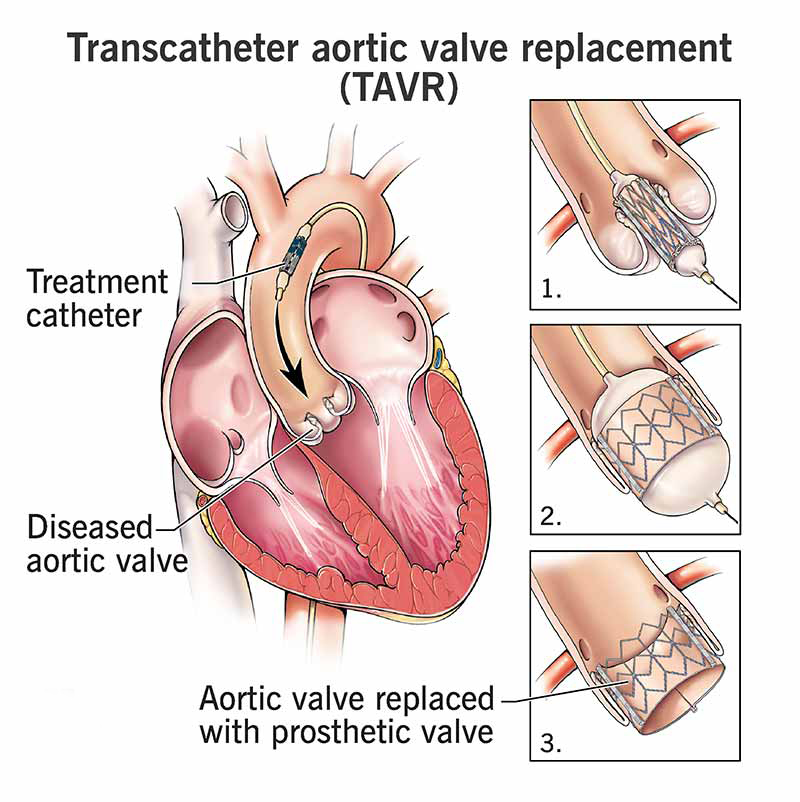
Heart valve disorders can significantly affect blood circulation and overall cardiovascular health. Severe narrowing of the aortic valve, known as aortic stenosis, can lead to symptoms such as chest pain, shortness of breath, fatigue, and reduced physical activity. Transcatheter Aortic Valve Replacement (TAVR) in Pune at Dr Umesh Akkalkotkar's clinic offers an advanced, minimally invasive treatment option for eligible patients with severe aortic valve disease.
Early diagnosis and timely intervention can help improve heart function, relieve symptoms, and enhance quality of life.
What is Transcatheter Aortic Valve Replacement (TAVR)?
Transcatheter Aortic Valve Replacement (TAVR) is a minimally invasive cardiac procedure used to replace a diseased aortic valve without the need for traditional open-heart surgery. During the procedure, a new artificial valve is delivered through a catheter and positioned within the damaged valve to restore proper blood flow.
TAVR has become an important treatment option for patients who may be at increased risk for conventional surgical valve replacement.
What is Aortic Stenosis?
Aortic stenosis occurs when the aortic valve becomes narrowed, making it difficult for blood to flow from the heart to the rest of the body. As the condition progresses, the heart must work harder to pump blood, which may lead to serious cardiovascular complications.
Proper evaluation is essential to determine the severity of the condition and identify the most appropriate treatment option.
Symptoms of Severe Aortic Stenosis
Common symptoms may include:
- Chest pain or discomfort
- Shortness of breath
- Fatigue
- Dizziness
- Fainting episodes
- Reduced exercise tolerance
- Palpitations
- Swelling in the legs
Patients experiencing these symptoms should seek prompt cardiac evaluation.
Benefits of TAVR
- Minimally Invasive Approach: The procedure is performed through a catheter-based technique, avoiding the need for major open-heart surgery in eligible patients.
- Improved Blood Flow: The replacement valve helps restore efficient blood circulation throughout the body.
- Symptom Relief: Many patients experience improvement in breathing, energy levels, and daily functioning.
- Faster Recovery: Compared to traditional surgery, selected patients may benefit from shorter hospital stays and recovery periods.
Who May Be a Candidate for TAVR?
TAVR may be considered for patients with:
- Severe aortic stenosis
- Symptomatic valve disease
- Increased surgical risk
- Certain age-related cardiac conditions
- Specific anatomical and clinical considerations
A detailed cardiac assessment is necessary to determine patient eligibility.
Why Choose Dr Umesh Akkalkotkar?
- Expertise in Advanced Structural Heart Procedures: Dr Umesh Akkalkotkar provides comprehensive evaluation and management of complex cardiovascular and valve-related conditions.
- Personalized Treatment Planning: Each patient receives individualized recommendations based on their heart health, medical history, and diagnostic findings.
- Comprehensive Cardiac Care: Patients benefit from advanced diagnostics, treatment planning, follow-up care, and long-term heart health management.
Maintaining Heart Health After Valve Treatment
To support long-term cardiovascular wellness:
- Follow prescribed medications
- Attend regular cardiac follow-up appointments
- Maintain a heart-healthy diet
- Stay physically active as advised
- Manage blood pressure, cholesterol, and diabetes
- Avoid smoking and tobacco products
Patients searching for advanced Transcatheter Aortic Valve Replacement (TAVR) near me services should seek consultation with an experienced cardiologist for comprehensive valve evaluation.
Conclusion
If you are looking for expert Transcatheter Aortic Valve Replacement (TAVR) in Pune, Dr Umesh Akkalkotkar offers advanced cardiac evaluation, personalized treatment planning, and comprehensive structural heart care. With a focus on improving heart function, relieving symptoms, and enhancing quality of life, patients can receive specialized cardiovascular care tailored to their individual needs.