
Bioresorbable Vascular Scaffold
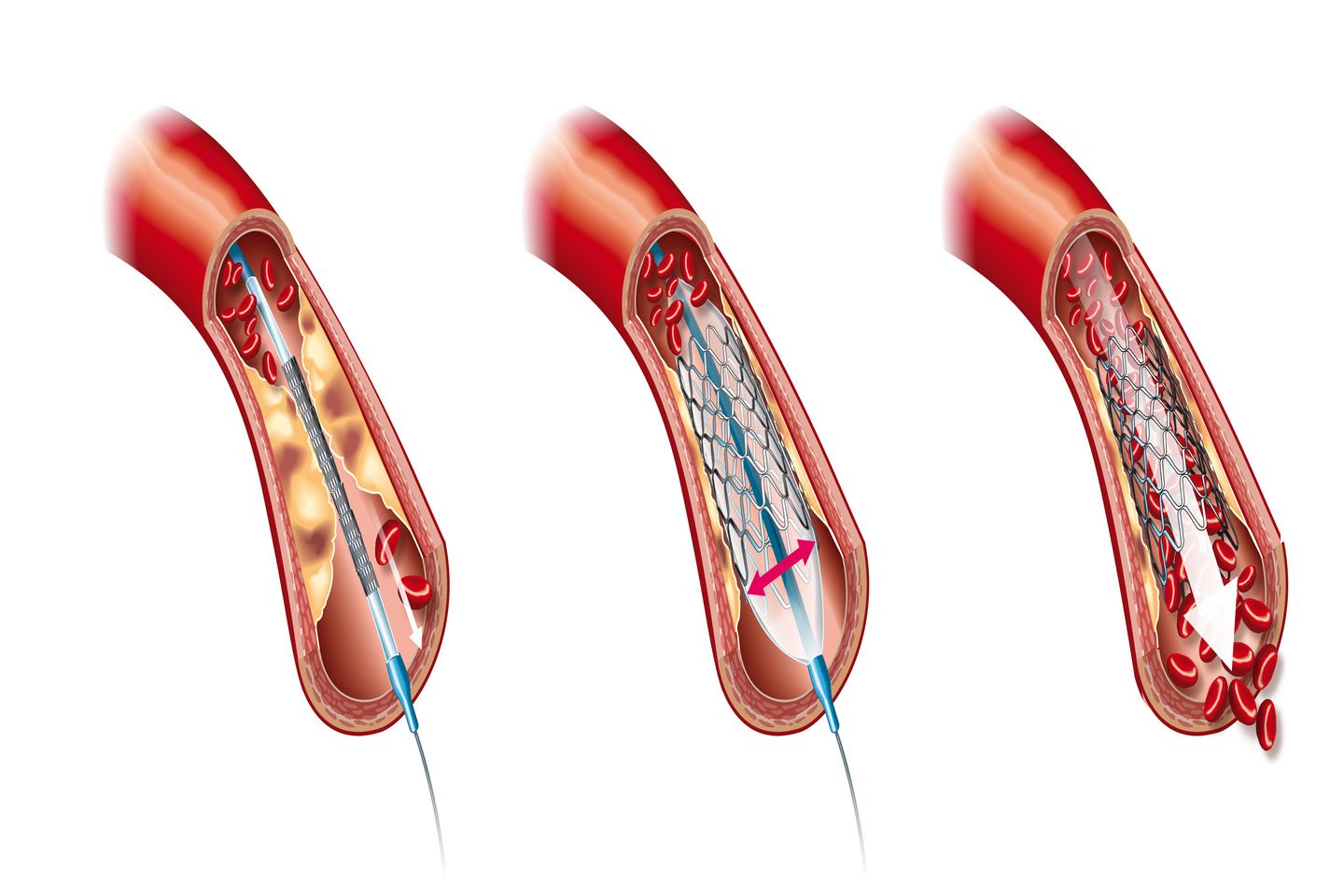
A bioresorbable vascular scaffold is an advanced, next-generation treatment for coronary artery blockages. Unlike traditional metallic stents that permanently remain inside the artery, BVS works as a temporary support system that gradually dissolves over time. It opens the blocked artery, restores blood flow, and then slowly disappears, allowing the vessel to regain natural movement and function. This approach is ideal for selected patients seeking long-term vessel healing without the lifelong presence of metal. With Dr. Umesh Akkalkotkar, Senior Consultant & Interventional Cardiologist at N.M. At the Wadia Institute of Cardiology, Pune, patients receive expert guidance and precise implantation of bioresorbable scaffolds, utilising cutting-edge imaging and international best practices.
What is a Bioresorbable Vascular Scaffold?
A BVS is a stent-like device made from a polymer that is safely absorbed by the body over a period of 2–3 years. Initially, it acts like a conventional stent by holding the artery open. As healing occurs, the scaffold gradually dissolves, leaving the vessel unobstructed and free of permanent implants.
Procedure Overview: A catheter is inserted through the wrist or groin, and the scaffold is deployed over the blockage under fluoroscopic and intravascular imaging guidance. The procedure is similar to angioplasty, performed under local anaesthesia.
Key Features: Offers temporary support, promotes natural vessel motion, and reduces long-term complications associated with permanent metal stents.
Applications: Best suited for patients with suitable artery sizes, minimal calcification, and blockages where vessel restoration is a long-term priority.