
Intracoronary Physiology FFR
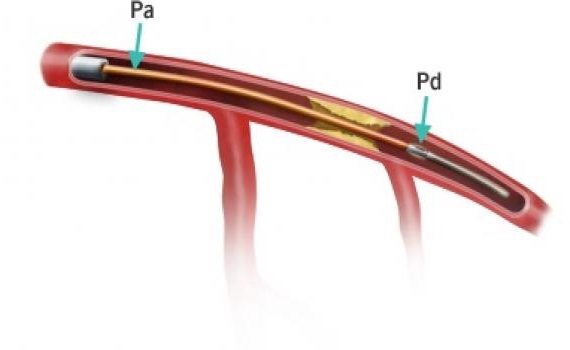
Intracoronary physiology assesses blood flow in coronary arteries to guide treatment decisions for coronary artery disease. Fractional Flow Reserve (FFR) is a key technique that measures pressure differences across blockages, determining if they significantly impair blood flow and require intervention. Dr Umesh Akkalkotkar, a Senior Consultant & Interventional Cardiologist at N.M. The Wadia Institute of Cardiology, Pune, specialises in FFR-guided procedures, ensuring precise, evidence-based care for complex cases, such as multi-vessel disease and chronic total occlusions.
What is Fractional Flow Reserve (FFR)?
FFR is a wire-based measurement performed during angiography, where a pressure sensor is inserted into the coronary artery to measure blood pressure. It calculates the ratio of blood pressure before and after a blockage, indicating functional significance.
How It Works: A guidewire with a sensor measures pressure; adenosine is used to simulate maximal blood flow. An FFR value of ≤0.80 suggests ischemia, warranting treatment such as angioplasty.
Key Features: Non-invasive within the procedure, provides objective data beyond visual angiography, and helps avoid unnecessary stents.
Applications: Ideal for ambiguous lesions, left main disease, and patients with comorbidities like diabetes.